What Is ACL Surgery?
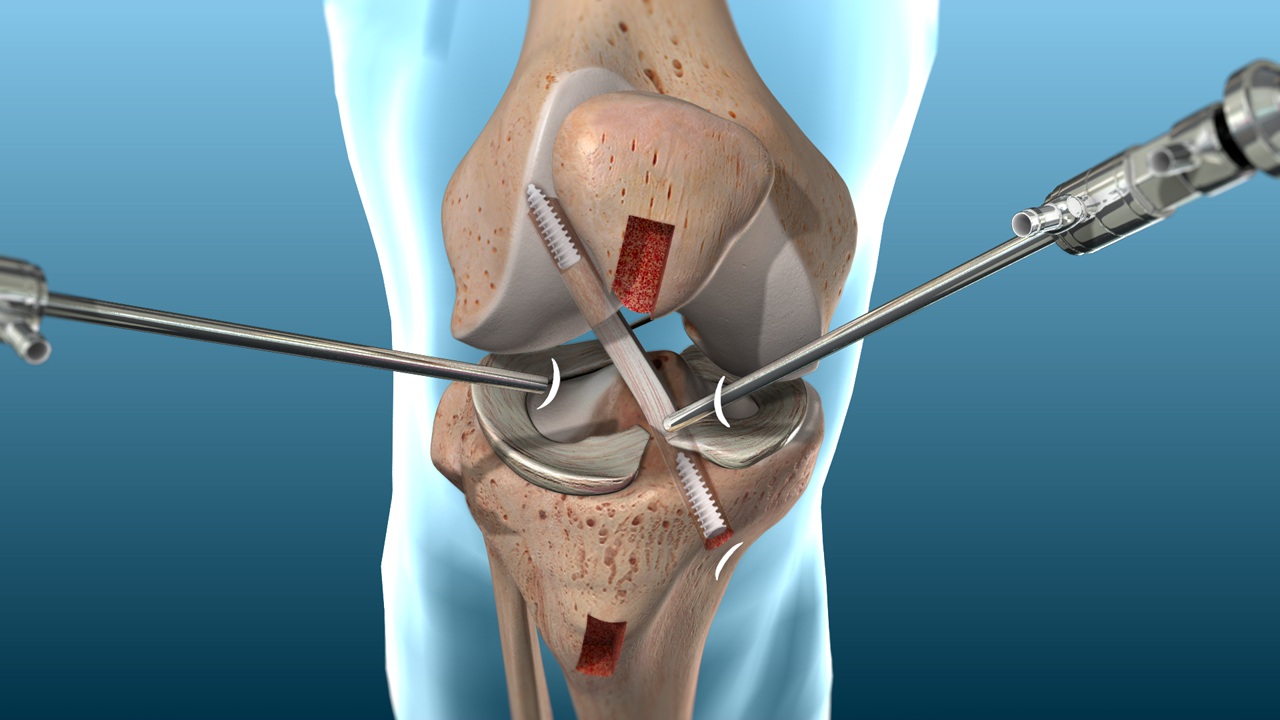
Quick answer ACL surgery repairs knee stability by replacing a torn anterior cruciate ligament (ACL) with a tendon graft. The procedure is usually done through small cuts using a camera and special instruments. This technique is called arthroscopic surgery.
The ACL is a ligament inside the knee that helps keep the joint steady when you walk, turn, jump, or change direction. It can tear during sports such as cricket or football, or after a sudden twist or fall. After the injury, some people notice swelling and pain, while others feel their knee slipping or giving way when they move.
Not every ACL tear needs surgery. Some people can manage the injury with physiotherapy and activity changes. However, if the knee keeps giving way or the person wants to return to sports that involve running and sudden turns, surgery may be recommended. The decision depends on the injury, the patient’s activity level, and whether other parts of the knee are damaged.
ACL reconstruction surgery in Ranchi may be an option for patients who need surgery after an ACL tear. The aim is to help them move with better knee stability and return to daily activities. Recovery also involves regular physiotherapy to rebuild strength, improve balance, and gradually increase knee movement.
ACL surgery may help patients:
- Walk and climb stairs with better knee control.
- Reduce episodes of the knee giving way.
- Return gradually to exercise and sports.
- Improve knee strength and movement through rehabilitation.
- Lower the risk of further damage linked to repeated knee instability
ACL Surgery at a Glance
| Procedure | Arthroscopic (keyhole) ACL reconstruction |
|---|---|
| Surgery time | 60–90 minutes |
| Anaesthesia | Spinal or general |
| Hospital stay | 1–2 days |
| Walking | With support from day 1 |
| Desk work | 2–3 weeks |
| Return to sport | 6–9 months, after assessment |
| Success rate | Many patients regain good knee stability after surgery and rehabilitation. |
How Does an ACL Tear Happen?
An ACL tear can happen in a moment, often when the knee twists beyond its normal range. You do not always need a direct hit to injure the ligament. A sudden movement during a game or even a misstep while walking can put too much pressure on the knee.
Common causes include:
- Twisting the knee – Turning quickly while the foot remains planted.
- Jumping and landing – Landing awkwardly can strain the ligament.
- Sudden braking – Stopping quickly while running may put stress on the knee.
- Sports collisions – A tackle or hard impact can injure the ligament.
- Accidental falls – Slipping on stairs or uneven surfaces can cause the knee to twist.
Sports involving sudden turns and jumps can increase ACL injury risk, especially with weak muscles or poor conditioning. If your knee swells or feels unstable, seek ACL treatment Ranchi, Jharkhand based on your injury.
What Are the Signs of an ACL Tear?
An ACL tear can make it hard to move your knee as usual. You may notice the problem right after an injury or only when you try to walk, climb stairs, or play sports. Look out for these signs:
-
 A popping sound You may hear a pop when your knee gets injured.
-
 Swelling Your knee may swell within a few hours.
-
 Trouble bending the knee Straightening or bending your leg may become difficult.
-
 Pain while walking Walking, squatting, or climbing stairs may hurt.
-
 Knee giving way Your knee may feel weak or suddenly buckle.
-
 Difficulty playing sports Running, jumping, and turning may feel uncomfortable.
-
 Stiffness Your knee may feel tight when you try to move it.
-
 Ongoing weakness Your knee may not feel steady even after resting.
If your knee swells or feels unstable after an injury, see an orthopaedic doctor. An examination and, if needed, an MRI can help identify the problem. ACL Surgery Ranchi may be recommended for some ACL tears, depending on the injury and how well the knee functions.
Does Every ACL Tear Need Surgery?
Not always. Some people with an ACL tear can manage well without an operation. The choice depends on how much damage the ligament has suffered, whether the knee feels steady, and how active you are in daily life.
Non-surgical treatment may be an option for:
- People with a partial tear whose knee remains stable during everyday movement.
- Those who do not play high-impact sports or need to make quick turns while active.
- Older adults who can comfortably adjust their activities to avoid stressing the knee.
Treatment usually focuses on physiotherapy to build strength, improve balance, and help the knee move more comfortably. A knee brace may also be advised in some cases. With ACL treatment Ranchi, Jharkhand, the doctor can assess your injury and explain whether rehabilitation alone is suitable or surgery should be considered.
When Might ACL Reconstruction Be Needed?
| What’s happening with your knee? | Possible treatment |
|---|---|
| Complete ACL tear with a desire to return to sports | Arthroscopic ACL reconstruction |
| Repeated knee instability during daily activities | Surgery may be considered |
| ACL and meniscus injuries together | ACL reconstruction with meniscus repair, if needed |
| Multiple ligament injuries | Combined ligament reconstruction, depending on the damage |
| Previous ACL surgery has failed | Revision ACL reconstruction |
How Is an ACL Tear Diagnosed?
To understand the extent of a knee injury, the doctor asks how it happened and checks the knee before deciding on treatment. ACL Tear Surgery Ranchi may be considered after the following assessments:
- Medical history
The doctor asks about the injury, swelling, pain, and whether your knee gives way.
- Physical examination
Tests such as the Lachman test and anterior drawer test help assess ACL damage and knee stability.
- MRI scan
This helps confirm the tear and identify possible damage to the meniscus, cartilage, or other ligaments.
- X-ray
This may be used to rule out fractures or other bone problems.
- Movement and stability assessment
The doctor checks how well you bend and straighten your knee and whether it feels stable.
Already have an MRI report?
Send it on WhatsApp from Ranchi and get a doctor's opinion – no travel needed.
How Is ACL Reconstruction Performed?
ACL reconstruction replaces the torn ligament with a tendon graft to help make the knee more stable. The surgery is usually performed through small cuts using a camera and special instruments. An ACL reconstruction surgeon Ranchi can assess the injury and explain the suitable treatment.
-
Checking the knee
The surgeon inserts a small camera into the knee to examine the torn ACL and check for damage to the meniscus or cartilage.
-
Preparing the graft
A suitable tendon, often taken from the patient's hamstring, is prepared carefully to replace the torn ligament and provide support to the knee.
-
Placing the graft
The surgeon creates small tunnels in the thigh and shin bones, then passes the prepared tendon through them to recreate the ACL.
-
Securing the graft
The graft is fixed in place using screws or other devices. The surgeon checks knee movement and stability before closing the incisions.
Advanced Technology Used in ACL Surgery
ACL Surgery Ranchi uses arthroscopic techniques and specialised instruments to help surgeons repair knee ligament injuries with precision. The choice of technique depends on the injury and the patient's needs.
- HD Arthroscopy Camera Gives the surgeon a clear view inside the knee.
- Anatomic Tunnel Guidance Helps position the new ligament in the right place.
- Modern Fixation Devices Screws and adjustable-loop buttons hold the graft securely.
- Internal Brace Support Adds reinforcement alongside the graft in selected cases.
- Digital Rehabilitation Tools Track leg strength and balance to help assess readiness for sports.
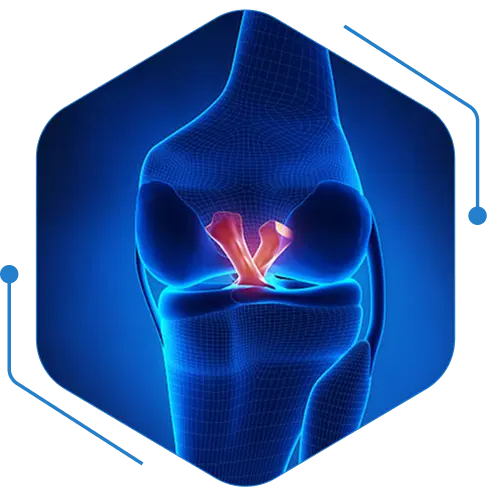
Types of ACL Grafts – Which One Is Right for You?
During ACL surgery, the torn ligament is replaced with a tendon graft. The surgeon chooses the graft based on your age, activity level, knee condition, and whether you have had surgery before.
| Graft type | Who may need it? | Main benefit | What to know |
|---|---|---|---|
| Hamstring tendon | Many adults and recreational players | Small incision to take the tendon | Hamstring muscles need strengthening after surgery |
| Peroneus longus | Selected patients | Provides a strong tendon for reconstruction | Taken from the outer ankle area |
| Patellar tendon | Active people and some athletes | Strong attachment to the bone | Kneeling may feel uncomfortable |
| Quadriceps tendon | First-time or repeat ACL surgery | Thick, strong graft | Thigh strength takes time to recover |
| Donor tendon (allograft) | Selected complex cases | No need to take a tendon from your body | May cost more and take longer to heal |
How to Prepare for ACL Surgery
Good preparation can help you feel more comfortable after ACL surgery. Before your procedure:
- Reduce knee swelling with ice and leg elevation.
- Strengthen your thigh muscles with guided exercises.
- Tell your doctor about all medicines you take.
- Work on straightening your knee fully.
- Complete the advised blood tests and health checks.
- Arrange walking support and help at home.
Your surgeon will decide the right time for surgery after checking your knee movement, swelling, and overall condition. If you need specialist care for another concern, you can consult the best proctologist in Mansarovar Jaipur for proper assessment and treatment.
ACL Surgery Recovery Timeline
Getting back to normal after ACL surgery takes time, patience, and regular physiotherapy. With ACL Surgery Ranchi, recovery is planned according to the patient's progress, knee movement, and muscle strength.
Keep your leg raised to manage swelling. Start gentle exercises and walk with support as advised.
Focus on easing stiffness, improving knee movement, and following your wound-care instructions.
Work on walking more comfortably, bending the knee, and building strength through guided exercises.
Your physiotherapist may add cycling and more strengthening exercises as your knee improves.
If your strength and balance are good enough, your doctor may allow you to start light jogging.
You may begin sports-specific training and return to playing only when your knee passes the required strength and movement tests.
Tips for a faster ACL recovery
- Keep up with follow-up visits: These help your doctor check how your knee is healing.
- Use ice when recommended: It can help ease swelling and discomfort.
- Avoid sudden twisting movements: Give your knee time to regain strength and control.
- Get enough rest: Sleep and recovery time help your body heal.
- Increase activity gradually: Do not push your knee beyond what your physiotherapist recommends.
ACL Surgery Cost for Patients from Ranchi
What affects the cost
- Type of graft and implants used during surgery
- Whether meniscus or cartilage repair is also needed
- Whether one or multiple knee ligaments need treatment
- Hospital room choice and length of stay
What the estimate may include
- Surgeon, anaesthesia and operation theatre charges
- Graft fixation devices and prescribed medicines
- Hospital stay and nursing care
- Physiotherapy and follow-up appointments
Health insurance may cover ACL reconstruction, depending on your policy and its terms. Check coverage, waiting periods, and approval requirements with your insurer before surgery. For guidance on knee ligament injuries and treatment options, consult an Orthopedic Surgeon in Jaipur, Dr. Naveen Sharma, to discuss your condition and the expected costs.
Get Your Personalised ACL Cost Estimate
Share your MRI – insurance & cashless assistance available.
Why Patients from Ranchi Choose Dr. Naveen Sharma for ACL Surgery?
Choosing the right surgeon for an ACL injury means finding someone who understands how the injury affects your daily life. An experienced ACL Surgeon in India can assess your knee, explain treatment options, and help you understand what recovery may involve.
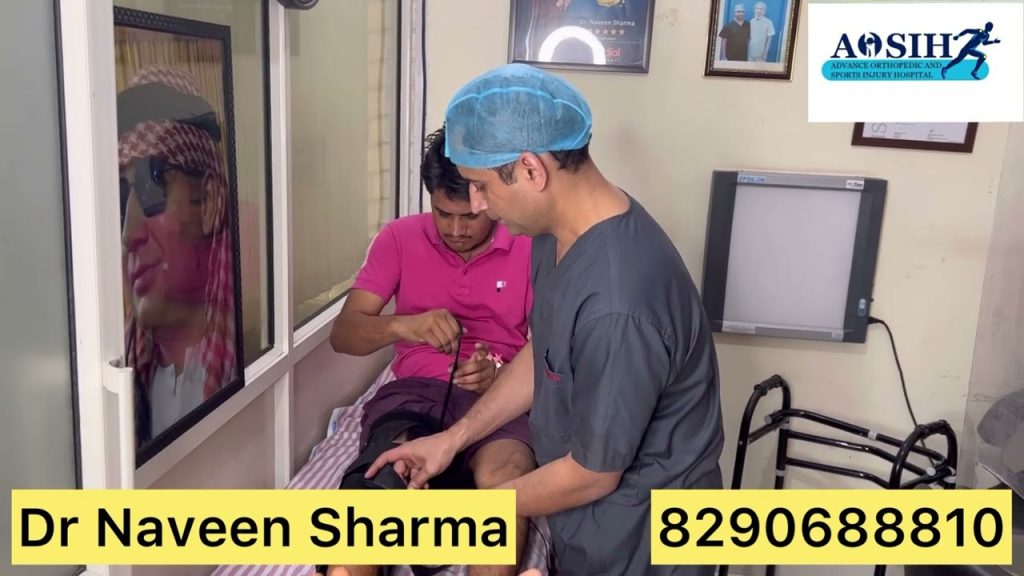
Dr. Naveen Sharma focuses on evaluating knee injuries and planning treatment according to each patient’s condition and activity goals. Consulting an experienced for ACL Surgery Ranchi can help you understand whether physiotherapy or surgery is suitable and what rehabilitation you may need afterwards.
-
 Individual Treatment Planning Each knee injury is assessed to determine whether physiotherapy or ACL reconstruction may be appropriate.
-
 Arthroscopic Surgical Techniques When surgery is needed, keyhole techniques can help the surgeon reconstruct the torn ligament through small incisions.
-
 Rehabilitation Guidance A structured exercise plan helps improve knee movement, rebuild strength, and restore balance after surgery.
-
 Clear Communication Understanding your scan results, treatment choices, and recovery goals helps you make informed decisions about your care.
ACL Treatment for Patients Across Ranchi & Jharkhand
Whether you are a cricket player who injures your knee during a match, a working professional who twists their knee, or a young athlete dealing with a sports injury, getting the right ACL advice is important.
-
Share Your MRI Reports
Send your MRI scan and medical reports for review so the doctor can assess the injury and advise you on the next steps.
-
Discuss Your Treatment Options
Talk to the surgeon about your diagnosis, whether surgery may be needed, suitable graft options, recovery expectations, and estimated costs.
-
Plan Surgery & Rehabilitation
If ACL reconstruction is recommended, discuss the surgery arrangements, hospital stay, and physiotherapy plan for recovery after the procedure.
Patients reach out from across Ranchi and Jharkhand, including:
Real ACL Recovery Stories & Expert Videos
 Google Rating 4.9
"He reconstructed my ACL and repaired my damaged meniscus in one surgery. It was completed in about an hour without much pain or discomfort."
Adarsh Kumar
"I had ACL surgery elsewhere but got little help with exercises. After joining Dr. Naveen's ACL help programme, I am recovering steadily."
Nityananda Patra
"I had ACL surgery elsewhere but got little help with exercises. After joining Dr. Naveen's ACL help programme, I am recovering steadily."
Shagufta Parveen


ACL Surgery Ranchi – Frequently Asked Questions
General Questions About ACL Injuries
What is an ACL tear, and how is it treated?
An ACL tear is an injury to the anterior cruciate ligament, which helps keep the knee stable during walking, running, and turning. Treatment may involve physiotherapy, activity modification, or surgery, depending on the extent of the injury and the patient’s activity needs.
Is an ACL injury permanent?
An ACL injury does not always cause permanent disability. Many people regain good knee function with appropriate treatment and rehabilitation. However, a completely torn ACL may not heal back to its original condition, and some patients continue to experience instability without reconstruction.
Can an ACL tear heal without surgery?
Yes, some people can manage an ACL tear without surgery through physiotherapy, muscle strengthening, and activity changes. However, a complete tear may leave the knee unstable. The right approach depends on knee function, associated injuries, and activity goals.
How serious is an ACL injury?
An ACL injury can range from a mild ligament strain to a complete tear. Severe injuries may cause knee instability and occur alongside meniscus or cartilage damage. An orthopaedic examination and, when appropriate, an MRI can help determine the extent of the injury.
Can I walk normally with a torn ACL?
Some people can walk after an ACL injury, even when the ligament is completely torn. However, they may experience swelling, pain, or a feeling that the knee is giving way. Being able to walk does not rule out a serious injury.
Diagnosis & Treatment Options
How is an ACL tear diagnosed?
Diagnosis involves reviewing how the injury occurred, checking knee movement and stability, and performing clinical tests. An MRI scan can help confirm the tear and identify damage to the meniscus, cartilage, or other ligaments.
When should I consider ACL surgery?
Surgery may be considered if the knee repeatedly gives way, the ACL is completely torn, or other knee structures are also injured. The decision depends on knee stability, activity goals, and overall health. ACL Tear Surgery Ranchi may be discussed after an examination and review of imaging.
Can an ACL tear cause further knee damage if left untreated?
Repeated episodes of knee instability can increase the risk of additional meniscus or cartilage damage. However, not every untreated ACL tear leads to further injury. A medical assessment can help determine how to manage the condition and which activities may need to be avoided.
ACL Reconstruction Surgery
Which graft is best for ACL reconstruction?
Common graft options include hamstring, patellar tendon, and quadriceps tendon grafts. Each has potential advantages and limitations. The choice depends on the patient’s age, activity level, knee condition, and whether they have undergone previous surgery. An ACL reconstruction surgeon Ranchi can explain the suitable options.
What are the risks of ACL surgery?
Possible complications include infection, blood clots, knee stiffness, persistent pain, reduced movement, graft failure, and reinjury. Individual risks vary. Before ACL Tear Surgery Ranchi, patients should discuss the expected benefits, potential complications, and rehabilitation requirements with their surgeon.
How long does ACL surgery take?
Arthroscopic ACL reconstruction often takes around 60–90 minutes, although additional procedures can extend the operating time. The length of the hospital stay depends on the procedure, the patient’s recovery, and the hospital’s care protocol.
Recovery & Rehabilitation
How long does recovery take after ACL reconstruction?
Recovery usually takes several months. Initial rehabilitation focuses on reducing swelling, restoring movement, and rebuilding muscle strength. Returning to running and sports requires further assessment of strength, balance, and knee control. ACL reconstruction surgery Ranchi should be followed by a structured rehabilitation programme.
When can I return to cricket, football, or other sports?
Returning to sports involving pivoting, jumping, or sudden changes in direction often takes nine months or longer. Clearance should depend on functional testing, knee stability, and strength rather than a fixed date. Patients considering ACL treatment Ranchi, Jharkhand should discuss their sporting goals during treatment planning.
Can the ACL tear again after surgery?
Yes. A reconstructed ACL can tear again, and the opposite knee can also sustain an ACL injury. Completing rehabilitation, rebuilding strength gradually, and following return-to-sport guidance can help reduce the risk, although reinjury cannot be completely prevented.
Choosing an ACL Surgeon in Ranchi
How do I choose the right surgeon for an ACL injury?
Look for an orthopaedic surgeon experienced in knee ligament injuries, arthroscopic procedures, and postoperative rehabilitation. Ask about graft selection, potential risks, recovery expectations, and follow-up care. Consulting an ACL specialist surgeon Ranchi can help you understand your treatment choices.
What should I discuss during an ACL surgery consultation?
Bring your MRI reports and explain how the injury affects walking, work, exercise, or sports. Ask whether surgery is necessary, which graft may be suitable, what risks apply to you, and how rehabilitation will be managed. An ACL reconstruction surgeon Ranchi can help explain the proposed treatment plan.
Where can I get advice about ACL surgery Ranchi?
Start with an orthopaedic assessment to confirm the diagnosis and understand whether physiotherapy or surgery is appropriate. If reconstruction is recommended, discuss the procedure, hospital arrangements, and recovery support before making a decision. Patients researching ACL Surgery Ranchi should look for appropriate specialist care and a clear rehabilitation plan.
Learn More About ACL & Knee Care
Explore detailed guides on ACL injuries and find ACL surgery information for your city or state.
ACL Surgery in Other Cities
Medically reviewed by Dr. Naveen Sharma, MS (Ortho). Last updated: October 2026. This page is for information only and does not replace a medical consultation. Results vary from patient to patient.