What Is ACL Surgery?
Quick answer ACL surgery repairs knee stability after a tear in the anterior cruciate ligament. During ACL reconstruction, the torn ligament is replaced with a tendon graft using small instruments and a camera. ACL reconstruction surgery Patna may be an option for people whose knees remain unstable after an ACL injury, especially those who want to return to sports or other physical activities.
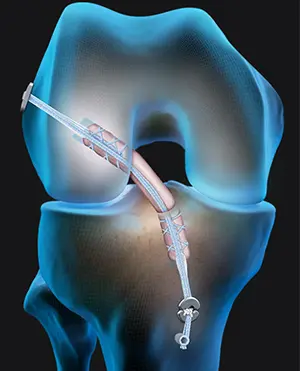
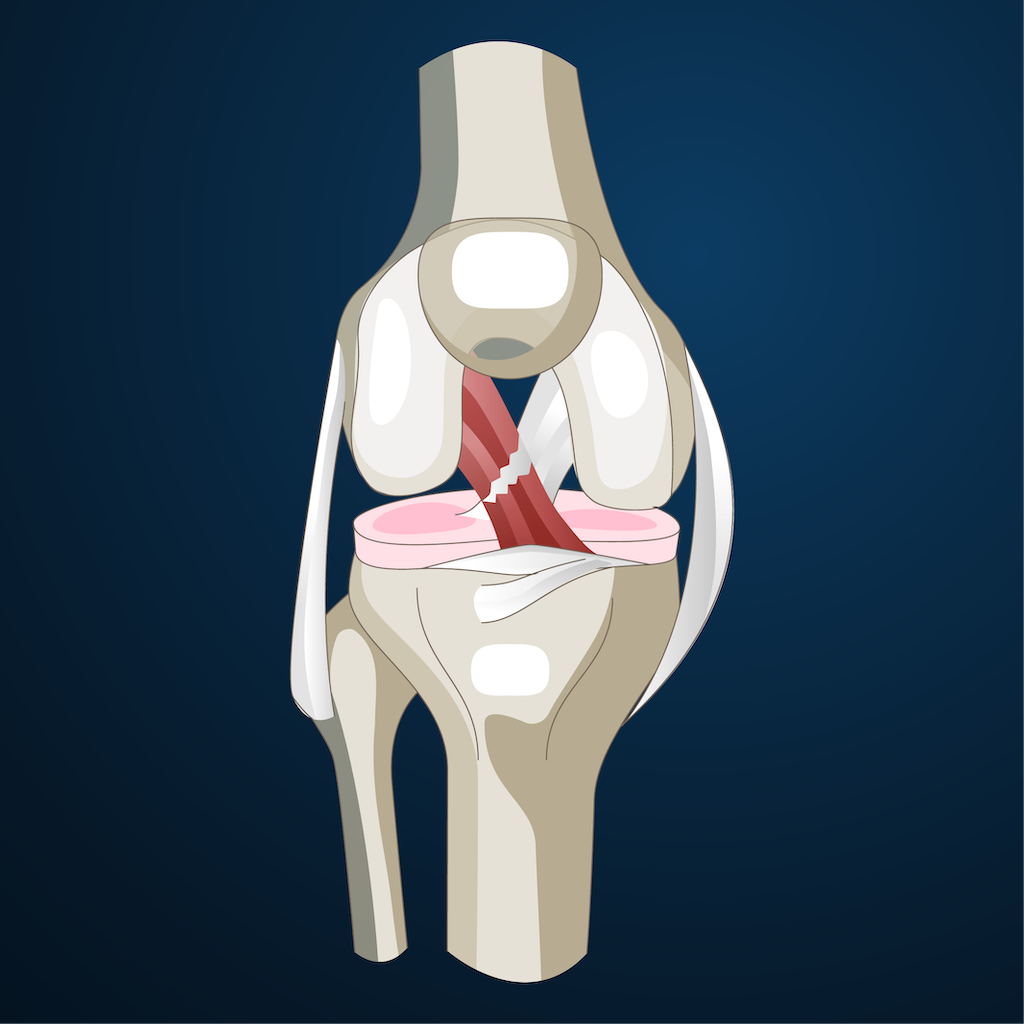
The ACL is a strong ligament inside the knee that connects the thigh bone to the shin bone. It helps keep the knee steady when you walk, turn, jump, or change direction. A sudden twist while playing cricket or football, a bad landing, or an accident can tear this ligament. After the injury, some people feel their knee slipping or giving way when they move.
A torn ACL does not always mean you need surgery. The right treatment depends on how badly the ligament is damaged, how active you are, and whether other parts of the knee are injured. When surgery is recommended, it can help you:
- Walk and climb stairs with better knee stability
- Reduce the feeling that your knee may give way
- Treat other knee injuries, such as a damaged meniscus, when needed
- Build knee strength through regular physiotherapy
- Work towards returning to sports and everyday activities safely.
ACL Surgery at a Glance
| Procedure | Arthroscopic ACL reconstruction |
|---|---|
| Surgery duration | 60–90 minutes |
| Anaesthesia | Spinal or general |
| Hospital stay | 1–2 days |
| Walking | From day 1 with support |
| Desk work | Around 2–3 weeks |
| Return to sports | Usually 6–9 months |
| Recovery outcome | Better knee stability |
How Does an ACL Tear Happen?
An ACL tear occurs when the knee twists suddenly, bends too far backwards, or takes more force than the ligament can handle. It often happens during sports, but a sudden fall or awkward movement can also injure the ligament.
Common causes include:
- Sudden turning: Changing direction quickly while the foot stays on the ground.
- Awkward landing: Landing badly after a jump, especially when the knees turn inward.
- Abrupt stopping: Slowing down suddenly while running.
- Direct impact: Taking a hard hit to the knee during a sports collision.
- Knee hyperextension: Bending the knee backwards beyond its normal range.
Playing high-impact sports, muscle weakness, fatigue, and poor landing technique can increase the risk of an ACL injury. If a knee injury causes instability or swelling, an assessment can help determine the need for ACL treatment Patna, Bihar.
Signs That May Indicate an ACL Tear
An ACL tear can happen during sports, a sudden twist, or an awkward landing. You may notice pain and swelling soon after the injury, followed by difficulty walking or moving your knee normally.
-
 A Popping Sound Hearing or feeling a pop when the injury occurs. Sudden Knee Pain: Sharp pain that makes it difficult to continue playing or exercising.
-
 Rapid Swelling The knee swells within a few hours of the injury.
-
 Knee Instability Feeling that the knee may give way while walking or turning.
-
 Difficulty Bending the Knee Pain and swelling make bending uncomfortable.
-
 Trouble Straightening the Leg The knee cannot fully straighten.
-
 Difficulty Walking Putting weight on the injured leg feels painful or unstable.
-
 Reduced Confidence During Sports Running, jumping, or changing direction feels difficult because the knee feels unstable.
If you notice these signs after a knee injury, consult an orthopaedic specialist for an examination. Learn more about ACL tear symptoms and causes to understand the injury and its warning signs.
Can an ACL Tear Heal Without Surgery?
Yes, some ACL tears can be managed without surgery. This may work well for people with a partial tear, a stable knee, or a lifestyle that does not involve intense physical activity. The decision depends on the injury and how well the knee functions.
Non-surgical treatment may suit:
- People with low-impact lifestyles who do not play sports involving sudden turns or jumps.
- Patients with partial tears whose knees remain stable during everyday movements.
- Older adults or people with medical risks who may not be suitable candidates for surgery.
Treatment usually involves physiotherapy, exercises to strengthen the leg muscles, balance training, and a knee brace when needed. Activities may also need to be adjusted while the knee recovers. If instability continues or you want to return to demanding sports, ACL Surgery Patna may be considered after a proper knee assessment.
When Is ACL Reconstruction Needed?
| Situation | Recommended approach |
|---|---|
| Complete ACL tear | Consider reconstruction based on knee stability and activity level |
| Knee repeatedly gives way | Surgery may help restore stability |
| ACL tear with meniscus damage | ACL reconstruction with meniscus treatment, if needed |
| Active sports lifestyle | Consider surgery for a safe return to pivoting sports |
| Physiotherapy hasn't helped | Reassess the need for ACL reconstruction |
How Is an ACL Tear Diagnosed?
Diagnosing an ACL tear involves understanding how the injury happened, checking knee movement and stability, and using scans when needed. An ACL specialist surgeon Patna may recommend the following steps:
- Medical History
The doctor asks how you injured your knee and whether you noticed a popping sound, swelling, pain, or a feeling that your knee might give way.
- Physical Examination
Tests such as the Lachman test, anterior drawer test, and pivot-shift test help assess knee stability. The doctor may compare the injured knee with the other knee.
- X-ray
An X-ray helps identify fractures or other bone injuries, although it does not show the ACL itself.
- MRI Scan
An MRI provides detailed images of the ACL and helps identify the extent of the tear and any associated damage to the meniscus or other ligaments.
Already have an MRI report?
Send it on WhatsApp from Patna and get a doctor's opinion – no travel needed.
How Is ACL Reconstruction Performed?
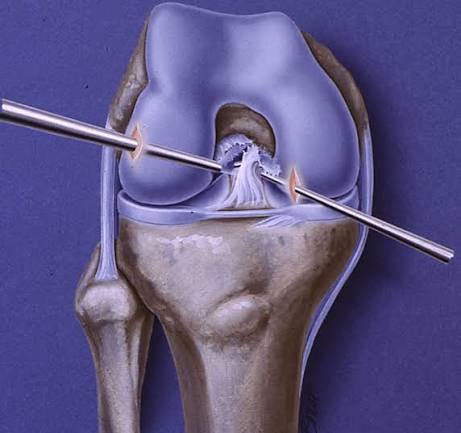
ACL Surgery Patna involves replacing a torn anterior cruciate ligament with a tendon graft to improve knee stability and movement. The procedure is usually performed using arthroscopy, which allows the surgeon to operate through small incisions. Depending on the patient's condition, spinal or general anaesthesia is used. The surgery involves the following steps:
-
Arthroscopic Assessment
A small camera is inserted into the knee to examine the torn ACL and check for damage to the meniscus or cartilage.
-
Graft Harvesting and Preparation
A suitable tendon graft, commonly taken from the hamstring or another appropriate tendon, is prepared to replace the damaged ligament.
-
Tunnel Drilling and Graft Placement
Small tunnels are created in the thigh and shin bones at the ACL's natural attachment points. The prepared graft is passed through these tunnels.
-
Graft Fixation and Stability Check
The graft is secured using suitable fixation devices, such as screws or buttons. The surgeon checks knee movement and stability before closing the incisions.
Advanced Technology Used in ACL Surgery
During ACL surgery, an ACL reconstruction surgeon Bihar uses specialised tools to examine the knee, place the new ligament correctly, and hold it securely in place, using the following techniques depending on the type of tear and the patient's knee condition.
- HD Arthroscopy Camera Helps the surgeon see inside the knee through small incisions.
- Graft Positioning Instruments Help place the new ligament where the original ACL was attached.
- Screws and Fixation Buttons Hold the graft in place while the knee heals.
- All-Inside Technique Uses smaller bone tunnels in selected cases and may help reduce tissue disruption.
Types of ACL Grafts – Which Is Right for You?
During ACL Surgery in Jaip, the torn ligament is replaced with a tendon graft to help keep the knee stable. The choice depends on your knee condition, activity level, and the type of surgery needed.
| Graft Type | Suitable For | Main Benefit | What to Know |
|---|---|---|---|
| Hamstring Tendon | Most adults | Less pain at the front of the knee | Hamstring recovery takes time |
| Peroneus Longus | Selected patients | Another option for tendon grafting | Taken from the outer ankle |
| Bone–Patellar Tendon–Bone | Active athletes | Strong attachment to the bone | Kneeling may be uncomfortable |
| Quadriceps Tendon | First-time or repeat surgery | Thick, strong graft | Thigh strength takes time to return |
| Allograft (Donor) | Selected complex cases | No need to take your own tendon | May cost more and heal more slowly |
How to Prepare for ACL Surgery
Before starting ACL tear treatment, your doctor will check your knee and help you prepare for surgery. A few simple steps can make movement easier and help you recover after the operation.
- Reduce swelling with ice, compression, and leg elevation as advised.
- Do pre-surgery quadriceps strengthening exercises recommended by your physiotherapist.
- Share your medication list, including blood thinners, with your doctor.
- Work towards fully straightening your knee under professional guidance.
- Complete the required blood tests and fitness clearance.
- Arrange a knee brace, walker, and help at home
Getting your knee ready before surgery can make the next stage easier. Your surgeon will assess your progress and choose a suitable time for the procedure to support a smoother recovery.
ACL Surgery Recovery Timeline
Recovery after ACL surgery Patna happens gradually. With regular physiotherapy and proper care, most patients regain knee movement and strength over 6–12 months.
Start gentle knee exercises and walk with a walker if advised.
Reduce swelling, manage pain, and work on straightening and bending the knee.
Improve walking, climb stairs safely, and gradually return to desk work.
Focus on strengthening exercises, balance, and better knee control.
Start light jogging when your knee is strong enough and your physiotherapist approves.
Gradually return to sports after completing strength and stability tests.
Tips for a Smooth Recovery
- Follow physiotherapy: Regular exercises help rebuild strength and improve knee movement.
- Wear your brace: Use it as advised to support your knee during recovery.
- Take your time: Avoid returning to sports before your surgeon clears you.
- Eat balanced meals: Include protein-rich foods to support muscle recovery
ACL Surgery Cost for Patients in Patna
What Affects the Cost?
- Graft and implants: The type of graft and fixation devices used.
- Additional repair: Meniscus or cartilage treatment, if required.
- Surgery complexity: Single- or multiple-ligament reconstruction.
- Hospital stay: Room type and length of admission.
What May Be Included in the Estimate?
- Surgeon, anaesthesia, and operation theatre charges.
- Graft, implants, and medicines.
- Hospital stay and nursing care.
- Physiotherapy and follow-up, depending on the package.
If you are planning to use health insurance for ACL surgery, check your policy for coverage, cashless treatment, and reimbursement before admission.
Get Your Personalised ACL Cost Estimate
Share your MRI – insurance & cashless assistance available.
Why Choose Dr. Naveen Sharma for ACL Surgery Patna?
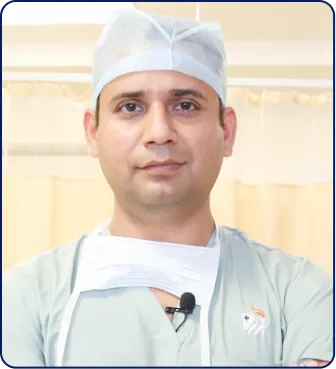
An ACL injury can make walking, climbing stairs, and playing sports difficult. Dr. Naveen Sharma, an Orthopedic Surgeon, examines the knee, explains the available treatment options, and helps patients understand what to expect from surgery and recovery.
Dr. Naveen Sharma evaluates each knee injury carefully and recommends treatment based on the patient’s condition and activity goals. He explains the available options, surgical approach, and expected recovery in clear language, helping patients from Patna understand their treatment plan before travelling for consultation or surgery.
-
 Care That Starts With Listening Understands your symptoms, daily activities, and concerns before recommending treatment.
-
 Small-Incision Surgery Uses arthroscopic techniques for ACL reconstruction when suitable.
-
 Treatment for Related Injuries Checks for meniscus and other ligament damage that may need attention.
-
 Help Throughout Recovery Guides patients through exercises, follow-up visits, and a gradual return to normal activities.
ACL Treatment for Patients Across Patna, Bihar
Getting ACL treatment Patna, Bihar becomes easier when you know what to expect. Whether you injured your knee while playing cricket, football, or during everyday activities, you can plan your consultation and recovery in a few simple steps.
-
Share Your MRI Reports
Send your MRI scans and medical reports for the doctor to review.
-
Consult the Surgeon
Discuss your knee injury, suitable graft options, surgery costs, and recovery time.
-
Plan Surgery and Recovery
Schedule your surgery and hospital stay, then continue physiotherapy near home with follow-up guidance as advised.
Patients Reach Out from Across Patna, Bihar, Including:
Real ACL Recovery Stories & Expert Videos
 Google Rating 4.9
"He reconstructed my ACL and repaired my damaged meniscus in one surgery. It was completed in about an hour without much pain or discomfort."
Adarsh Kumar
"I had ACL surgery elsewhere but got little help with exercises. After joining Dr. Naveen's ACL help programme, I am recovering steadily."
Nityananda Patra
"I had ACL surgery elsewhere but got little help with exercises. After joining Dr. Naveen's ACL help programme, I am recovering steadily."
Shagufta Parveen



ACL Surgery Patna Frequently Asked Questions
ACL Surgery Recovery
What is the normal recovery time for ACL surgery?
Recovery after ACL Surgery Patna usually takes 6–12 months, depending on the injury, surgical procedure, and rehabilitation progress. Most patients gradually return to daily activities within a few weeks. However, running and sports require more time, proper strength, and clearance from the surgeon and physiotherapist.
Can you recover fully after ACL surgery?
Yes, many patients regain good knee stability and return to their usual activities after ACL reconstruction. ACL reconstruction surgery Patna can help restore stability when the ligament is torn, but results depend on the injury and rehabilitation. Following physiotherapy and avoiding an early return to sports are important for recovery.
How long does it take to walk normally after ACL surgery?
Many patients begin walking with support within a day of surgery, depending on their condition and the surgeon’s instructions. Walking more comfortably may take several weeks. After ACL Tear Surgery Patna, recovery depends on swelling, muscle strength, and whether a meniscus injury was also treated.
Which day is the hardest after ACL surgery?
The first two to three days can be challenging because of pain, swelling, and difficulty moving the knee. Keeping the leg elevated, using ice as advised, and following prescribed pain management can help. Contact your medical team if pain suddenly worsens or is not controlled by your prescribed treatment.
ACL Tear Diagnosis
How do doctors diagnose an ACL tear?
Doctors assess how the injury happened, examine knee movement, and perform stability tests such as the Lachman test. An MRI can confirm the tear and identify damage to other knee structures. An ACL specialist surgeon Patna can review these findings to help determine whether physiotherapy or surgery is appropriate.
Can an ACL tear be diagnosed without an MRI?
Yes, a doctor may suspect an ACL tear through a physical examination and tests that assess knee stability. However, an MRI provides detailed images of the ligament and can reveal associated meniscus injuries. Your doctor may recommend imaging to confirm the diagnosis and plan suitable treatment.
What is the gold standard for diagnosing an ACL tear?
A detailed clinical examination combined with MRI is commonly used to assess an ACL injury. The Lachman test is an important physical examination test, while MRI helps confirm the tear and identify associated damage. The doctor considers your symptoms, examination findings, and imaging results before recommending treatment.
Surgery & Treatment
When is ACL surgery recommended?
Surgery may be recommended when a complete ACL tear causes repeated knee instability, particularly in people who want to return to sports involving sudden turns or jumps. It may also be considered when other knee structures are injured. ACL reconstruction surgery Patna is not necessary for every ACL tear; the decision depends on individual needs.
Does a 50% ACL tear need surgery?
Not always. A tear involving approximately 50% of the ACL does not automatically mean surgery is required. The decision depends on knee stability, symptoms, activity level, and associated injuries. Some patients improve with physiotherapy, while others may need reconstruction if their knee repeatedly gives way.
Can I wait three months for ACL surgery?
In some cases, surgery can be scheduled after a period of rehabilitation, swelling reduction, and improved knee movement. However, waiting three months is not suitable for everyone. Repeated instability may cause further damage to the meniscus or cartilage. Consult your surgeon to determine a safe treatment timeline.
Can an ACL tear be treated without surgery?
Yes, some ACL tears can be managed without surgery, especially when the knee remains stable during everyday activities. Treatment may include physiotherapy, strengthening exercises, balance training, and activity modification. If instability continues or you want to return to demanding sports, your doctor may discuss surgical options.
How long does an ACL tear take to heal without surgery?
Recovery varies according to the severity of the tear, knee stability, and rehabilitation. Some people improve over several weeks or months with physiotherapy, but a completely torn ACL may not heal back to its original structure. An ACL reconstruction surgeon Bihar can help assess whether non-surgical treatment is suitable for your condition.
What is the latest treatment for a torn ACL?
Treatment options include structured physiotherapy, arthroscopic ACL reconstruction, and selected ligament repair techniques. The right option depends on the tear pattern, knee stability, and activity goals. ACL treatment Patna, Bihar may involve non-surgical rehabilitation or reconstruction using a tendon graft when surgery is appropriate.
Complications & Risks
What are the long-term effects of an ACL tear without surgery?
An untreated ACL tear may cause recurring instability, difficulty participating in sports, and an increased risk of additional meniscus or cartilage injuries. However, some people manage daily activities without surgery. Treatment decisions should be based on knee function, activity requirements, and the findings of an orthopaedic assessment.
What are the warning signs of complications after ACL surgery?
Increasing pain, worsening redness, wound discharge, or fever should be reported to your medical team. Sudden breathlessness, chest pain, or significant calf swelling requires urgent medical attention. Mild swelling and stiffness can occur during recovery, but symptoms that worsen rather than improve need medical assessment.
ACL Surgeon Patna
Who is the best doctor for ACL surgery Patna?
Choose an orthopaedic surgeon with experience in arthroscopic knee surgery, ACL reconstruction, and rehabilitation. Dr. Naveen Sharma is an orthopaedic surgeon; patients from Patna can contact his clinic to confirm consultation arrangements. Ask about surgical experience, graft options, potential risks, and follow-up care before deciding on treatment
Learn More About ACL & Knee Care
Explore detailed guides on ACL injuries and find ACL surgery information for your city or state.
ACL Surgery in Other Cities
Medically reviewed by Dr. Naveen Sharma, MS (Ortho). Last updated: October 2026. This page is for information only and does not replace a medical consultation. Results vary from patient to patient.