What Is Shoulder Joint Dislocation Treatment?
Quick answer Shoulder joint dislocation treatment focuses on putting the shoulder back in place, easing pain, and helping the joint heal properly. Depending on the injury, the doctor may recommend a sling, physiotherapy, or surgery if the shoulder keeps slipping out of its socket.
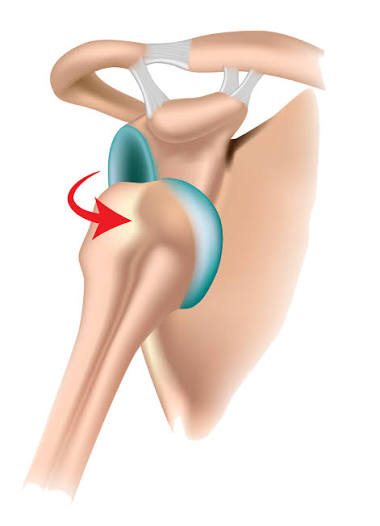
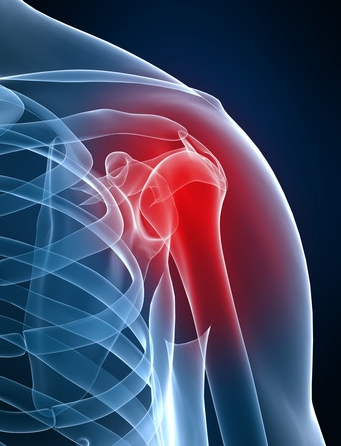
The shoulder allows the arm to move in many directions, but this flexibility also makes it vulnerable to dislocation. A fall, a direct blow, or an injury during sports can force the upper arm bone out of its socket. This may cause sudden pain, swelling, a change in the shoulder’s shape, and difficulty moving the arm.
For patients looking for shoulder joint dislocation treatment Bhubaneswar, Odisha, treatment begins with an assessment of the injury and any damage to the surrounding tissues. Some people recover with non-surgical care, while others may need an operation to improve stability, especially after repeated dislocations.
Treatment aims to:
- Relieve pain and help the shoulder heal.
- Restore comfortable arm movement.
- Address damage to the labrum, ligaments, or bone when needed.
- Reduce the chances of another dislocation.
- Help patients return to everyday activities and sports with better shoulder stability.
Shoulder Dislocation Treatment at a Glance
| Procedure | Shoulder reduction or stabilisation surgery |
|---|---|
| Surgery time | Around 1–2 hours |
| Anaesthesia | General anaesthesia, often with a nerve block |
| Hospital stay | Same day or 1 night |
| Arm support | Sling for several weeks |
| Return to desk work | Usually 1–3 weeks |
| Return to sports | Around 4–6 months or longer |
| Recovery | Depends on injury severity and rehabilitation |
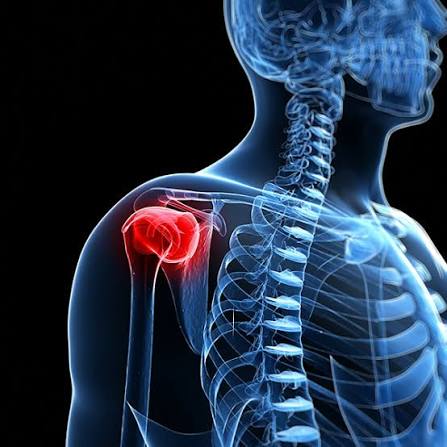
How Does a Shoulder Dislocation Happen?
A shoulder dislocation usually happens when the upper arm bone is forced out of its socket. It can occur during sports, a fall, or a sudden movement that puts too much force on the joint. Some people also experience repeated dislocations because the supporting tissues have been stretched or damaged. Common causes include:
- Falls on an outstretched hand: landing awkwardly can push the shoulder out of place.
- Sports injuries: Collisions during cricket, football, or contact sports can injure the shoulder.
- Direct impact: A blow to the shoulder may force the joint out of position.
- Sudden arm movements: Forceful twisting or moving the arm overhead can cause dislocation.
- Previous shoulder dislocation: Damaged ligaments or labrum can increase the risk of another episode.
People with loose shoulder ligaments or a history of dislocation may be more likely to experience repeated instability. Early assessment helps determine the right Shoulder Dislocation Treatment Bhubaneswar based on the injury and any associated damage.
Signs That Indicate a Shoulder Dislocation
A shoulder dislocation usually causes sudden pain and difficulty moving the arm. Some symptoms are immediately noticeable, while others become more uncomfortable as swelling develops. Common signs include:
-
 Sudden shoulder pain Sharp pain at the time of injury.
-
 Visible change in shoulder shape The shoulder may look uneven or deformed.
-
 Difficulty moving the arm Lifting or rotating the arm becomes difficult.
-
 Swelling and bruising The affected shoulder may become swollen or develop bruising.
-
 Feeling of instability The shoulder may feel loose or as if it could slip out again.
-
 Numbness or tingling Sensation may change around the shoulder, arm, or hand.
-
 Muscle spasms Muscles around the joint may tighten because of pain.
-
 Weakness in the arm Holding or lifting objects may become difficult.
If you experience these symptoms after an injury, seek medical attention promptly. A Shoulder Replacement Specialist in India can assess shoulder joint damage and recommend appropriate treatment based on the diagnosis.
Does Every Shoulder Dislocation Need Surgery?
No. Not every shoulder dislocation requires surgery. Treatment depends on the extent of damage, whether it is a first dislocation, the patient’s age and activity level, and how stable the shoulder feels after reduction.
Non-surgical shoulder treatment may work for:
- First-time dislocations When the shoulder remains stable after being put back into place.
- Minor soft tissue injuries When there is no significant damage to the labrum, ligaments, or shoulder bone.
- Less active individuals Who do not regularly participate in contact sports or activities involving overhead movements.
- Patients responding well to physiotherapy When shoulder strength, movement, and stability improve with rehabilitation.
Treatment may include joint reduction, sling support, pain management, and physiotherapy. Anterior shoulder dislocation treatment Bhubaneswar may also involve surgery when repeated dislocations or significant joint damage affect shoulder stability.
Shoulder dislocation surgery is usually advised when:
| Your situation | Usually recommended |
|---|---|
| Repeated shoulder dislocations | Arthroscopic Bankart repair |
| Shoulder remains unstable despite physiotherapy | Shoulder stabilisation surgery |
| Shoulder dislocation with a labral tear | Arthroscopic labral repair |
| Significant bone loss around the shoulder socket | Latarjet procedure |
| Failed previous shoulder stabilisation surgery | Revision shoulder stabilisation surgery |
How Is a Shoulder Dislocation Diagnosed?
A proper diagnosis helps determine whether the shoulder needs non-surgical care or stabilisation surgery. It usually involves:
- Clinical examination
The doctor checks shoulder position, movement, tenderness, stability, nerve function, and blood circulation.
- X-ray of the shoulder
Confirms the dislocation and checks for associated fractures. Another X-ray may be taken after the joint is put back in place.
- MRI scan
Identifies damage to the labrum, ligaments, and rotator cuff, especially when repeated dislocations occur.
- CT scan (if needed)
Helps assess bone loss around the shoulder socket and identify complex fractures.
Already have an MRI report?
Send it on WhatsApp from Bhubaneswar, Odisha, and get a doctor's opinion – no travel needed.
How Is Shoulder Stabilisation Surgery Performed?
For Shoulder Dislocation Treatment Bhubaneswar, arthroscopic Bankart repair may be recommended when repeated dislocations result from a torn labrum or damaged supporting tissues. The procedure uses a small camera and specialised instruments to repair the damaged tissue through small incisions. The steps are:
-
Arthroscopic assessment
A small camera is inserted into the shoulder joint to examine the labrum, cartilage, and surrounding tissues.
-
Preparing the damaged labrum
The torn labrum is carefully prepared for reattachment to the edge of the shoulder socket.
-
Suture anchor placement
Small anchors are placed in the shoulder socket, and sutures secure the labrum back in position.
-
Repair and stability check
The surgeon checks the repaired tissues and shoulder movement before completing the procedure.
Advanced Technology Used in Shoulder Surgery
Shoulder dislocation surgery Bhubaneswar uses specialised surgical instruments and arthroscopic equipment to help repair damaged tissues and improve joint stability.
- HD arthroscopy camera for a clear view inside the shoulder joint.
- Suture anchors to reattach the torn labrum to the shoulder socket.
- Specialised surgical instruments for accurate tissue repair.
- Arthroscopic keyhole technique to perform surgery through small incisions.
Types of Shoulder Dislocation Surgery – Which Is Right for You?
The choice of surgery depends on the type of shoulder injury, how often the joint dislocates, and the extent of damage to the labrum or bone. Rotator cuff injury treatment Bhubaneswar, Odisha also depends on the type of tear and the patient's shoulder condition.
| Surgery type | When it may be needed | Main benefit | What to consider |
|---|---|---|---|
| Arthroscopic Bankart Repair | When the labrum is torn | Reattaches the labrum to the shoulder socket | Suitable when bone loss is limited |
| Latarjet Procedure | Recurrent dislocations with significant bone loss | Adds bone support to the shoulder socket | More involved surgery |
| Remplissage Procedure | When a Hill-Sachs lesion affects shoulder stability | Helps prevent the shoulder from slipping out again | May limit some shoulder rotation |
| Open Bankart Repair | Selected cases of shoulder instability | Repairs the torn labrum through an open approach | Requires a larger incision |
| Revision Stabilisation Surgery | When previous stabilisation surgery has failed | Addresses ongoing shoulder instability | Depends on the reason for the earlier failure |
How to Prepare for Shoulder Dislocation Surgery
Preparing well before surgery can make recovery easier. Patients planning Shoulder Dislocation Treatment Bhubaneswar should follow their surgeon's advice and take these steps:
- Reduce pain and swelling as advised by the doctor.
- Wear a shoulder sling if recommended.
- Follow prescribed exercises to maintain comfortable movement.
- Share your medical history and current medicines, including blood thinners.
- Complete the required blood tests and fitness checks.
- Follow fasting instructions before surgery.
- Arrange help at home for dressing and daily activities.
The timing of surgery depends on the injury, shoulder stability, and any associated damage. Your surgeon will decide when it is safe to proceed.
Shoulder Dislocation Surgery Recovery Timeline
Recovery after shoulder surgery takes time, and progress can vary depending on the procedure and extent of the injury. Patients undergoing shoulder joint dislocation treatment Bhubaneswar, Odisha should follow their rehabilitation plan and attend regular follow-ups.
The arm is supported in a sling. Pain management begins, and gentle hand, wrist, and elbow movements may be introduced.
The shoulder remains protected in a sling. Follow-up visits help check the incision and early healing.
Gradual shoulder movement begins under physiotherapist guidance, depending on the repair and surgeon's instructions.
Movement exercises progress, followed by gentle strengthening when the repaired tissues are ready.
Strengthening and controlled functional exercises continue to improve shoulder movement and stability.
Patients may gradually return to more demanding activities and sports after meeting strength and movement goals.
Tips for a smoother shoulder recovery
- Follow your physiotherapy plan – Perform exercises as advised.
- Wear your sling – Protect the shoulder during the recommended period.
- Avoid lifting heavy objects – Give the repaired tissues time to heal.
- Attend follow-up visits – Let your surgeon monitor healing and progress.
- Return to sports gradually – Do not rush activities involving throwing, lifting, or overhead movements.
Shoulder Dislocation Treatment Cost for Patients from Bhubaneswar
What Affects the Cost
- Type of shoulder surgery and technique used
- Severity of labral, ligament, or bone damage
- Additional procedures required
- Hospital room category and length of stay
What the Estimate Includes
- Surgeon, anaesthesia, and OT charges
- Implants, anchors, and medicines
- Hospital stay and nursing care
- Physiotherapy and follow-up consultations
Health insurance may cover shoulder dislocation surgery when medically indicated, subject to policy terms and approval. The hospital team can help with cashless claims and reimbursement paperwork.
Get Your Personalised Shoulder Dislocation Cost Estimate
Share your MRI – insurance & cashless assistance available.
Why Patients from Bhubaneswar Choose Dr. Naveen Sharma for Shoulder Treatment
Choosing an experienced Orthopedic Doctor in Jaipur matters when dealing with shoulder injuries, repeated dislocations, or joint damage. Patients need proper guidance to understand their condition and choose the right treatment.
For Shoulder Dislocation Treatment Bhubaneswar, Dr. Naveen Sharma assesses the injury, explains the available treatment options, and helps patients understand whether surgery is necessary.
-
 Experience in Shoulder Care Focus on diagnosing and treating different shoulder conditions.
-
 Advanced Surgical Techniques Arthroscopic procedures for repairing damaged labrum and supporting tissues.
-
 Treatment Based on Individual Needs Surgical recommendations based on injury severity, joint damage, and activity level.
-
 Guidance Beyond Surgery Rehabilitation support and follow-up care to help restore shoulder movement and stability.
Shoulder Treatment for Patients Across Bhubaneswar & Odisha
Whether you are dealing with a shoulder injury from sports, repeated dislocations, or difficulty lifting your arm, getting the right medical advice is important. Patients looking for Bankart Repair Bhubaneswar, Odisha can follow a simple consultation and treatment process:
-
Share Your Reports
Send your MRI scans, X-rays, and previous treatment records for the doctor's review.
-
Consultation with the Surgeon
Discuss your shoulder condition, treatment options, surgical requirements, and expected recovery.
-
Surgery & Rehabilitation
Plan the procedure if needed, followed by hospital care and physiotherapy as advised.
Patients reach out from across Bhubaneswar and Odisha, including:
Real Shoulder Dislocation Treatment Stories & Expert Videos
 Google Rating 4.9
"He reconstructed my ACL and repaired my damaged meniscus in one surgery. It was completed in about an hour without much pain or discomfort."
Adarsh Kumar
"I had ACL surgery elsewhere but got little help with exercises. After joining Dr. Naveen's ACL help programme, I am recovering steadily."
Nityananda Patra
"I had ACL surgery elsewhere but got little help with exercises. After joining Dr. Naveen's ACL help programme, I am recovering steadily."
Shagufta Parveen


Frequently Asked Questions About Shoulder Dislocation Treatment in Bhubaneswar
Understanding Shoulder Dislocation
What is the best treatment for shoulder dislocation?
The best treatment depends on the severity of the injury and whether it has happened before. The doctor may recommend joint reduction, sling support and physiotherapy. Surgery may be needed if the shoulder remains unstable or has significant tissue damage. Shoulder Dislocation Treatment Bhubaneswar aims to restore movement and improve joint stability.
What are the three types of shoulder dislocations?
Shoulder dislocations are classified according to the direction in which the upper arm bone moves out of its socket. The three types are anterior, posterior and inferior dislocations. Anterior dislocation is the most common, while inferior dislocation is rare. Identifying the type helps the doctor plan appropriate treatment.
What is a shoulder examination, and how is it performed?
A shoulder examination helps the doctor assess the injury and identify possible damage. It includes checking pain, swelling, shoulder shape, movement, muscle strength and joint stability. The doctor may also examine nerve function and blood circulation. X-rays, MRI or CT scans may be recommended to understand the injury more clearly.
Symptoms and Immediate Care
What are the common symptoms of a dislocated shoulder?
Common symptoms include sudden shoulder pain, swelling, bruising, difficulty moving the arm and a visible change in shoulder shape. Some people also experience numbness, tingling or weakness in the affected arm. If you suspect a dislocation, seek urgent medical attention rather than attempting to move the joint back yourself.
What is the fastest way to heal a dislocated shoulder?
The safest way to recover is to receive prompt medical care and follow the prescribed treatment plan. This may include joint reduction, temporary sling support and physiotherapy when appropriate. Avoid heavy lifting and sudden movements while healing. Following your doctor’s instructions helps protect the joint and supports a gradual return to normal activities.
Can a slightly dislocated shoulder heal on its own?
A slightly dislocated shoulder may be a partial dislocation, also called subluxation. The joint may return to its normal position, but the supporting tissues can still be injured. A medical examination is important to check for damage. Treatment may include temporary support, activity modification and physiotherapy based on the findings.
Can a dislocated shoulder pop back into place by itself?
Yes, sometimes a dislocated shoulder returns to its socket without medical assistance. However, pain relief does not confirm that the injury has healed. Damage to the labrum, ligaments or bones may remain. Even if the shoulder looks normal again, get it examined and avoid trying to force it back into position yourself.
What is shoulder dislocation reduction?
Shoulder reduction is a procedure in which a trained medical professional carefully guides the upper arm bone back into its socket. Pain relief or sedation may be provided depending on the injury. An X-ray is often taken afterwards to confirm the joint position and check for fractures. Sling support may be recommended.
Surgery and Treatment Options
How can you fix a dislocated shoulder permanently?
Preventing repeated dislocations requires treating the underlying cause of instability. Physiotherapy can strengthen the muscles supporting the joint, but it may not be enough when the labrum is torn. In selected cases, Bankart Repair Bhubaneswar, Odisha may help reattach the damaged labrum and improve shoulder stability.
When does a dislocated shoulder need surgery?
Surgery may be advised when the shoulder dislocates repeatedly, remains unstable despite physiotherapy or has significant labral or bone damage. The decision depends on the patient’s age, activity level and injury pattern. shoulder dislocation surgery Bhubaneswar may involve a stabilisation procedure to reduce the risk of further dislocations.
What is arthroscopic Bankart repair, and when is it recommended?
Arthroscopic Bankart repair is a keyhole procedure used to repair a torn labrum. The surgeon uses a small camera and specialised instruments to reattach the tissue to the shoulder socket with suture anchors. arthroscopic bankart repair Bhubaneswar may be recommended when a Bankart lesion causes repeated shoulder instability.
How is an anterior shoulder dislocation treated?
Treatment usually begins with medical reduction, followed by sling support and guided rehabilitation. The doctor may recommend surgery if the shoulder repeatedly slips out or has significant labral or bone damage. anterior shoulder dislocation treatment Bhubaneswar depends on the injury pattern, shoulder stability and the patient’s activity requirements.
Can a shoulder dislocation also cause a rotator cuff injury?
Yes, a shoulder dislocation can sometimes occur alongside a rotator cuff tear, particularly in older adults. This may cause persistent pain, weakness and difficulty lifting the arm. rotator cuff injury treatment Bhubaneswar, Odisha depends on the tear’s size, symptoms and effect on shoulder movement. An MRI may help assess tendon damage.
Recovery and Rehabilitation
How long does it take to recover after shoulder dislocation surgery?
Recovery depends on the procedure and extent of the injury. Most patients need sling support for several weeks, followed by gradual physiotherapy to restore movement and strength. Light activities may resume earlier, while heavy lifting and sports take longer. Patients undergoing shoulder dislocation surgery Bhubaneswar should follow their surgeon’s rehabilitation plan.
Can repeated shoulder dislocations damage the joint?
Yes. Repeated dislocations can damage the labrum, ligaments and bones around the shoulder socket. They may also increase the risk of ongoing instability and associated tendon injuries. Early assessment helps identify the damage and guide suitable treatment. Ignoring repeated episodes may make shoulder movement and everyday activities increasingly difficult.
Can physiotherapy prevent another shoulder dislocation?
Physiotherapy can help reduce the risk of another dislocation by strengthening the muscles around the shoulder and improving joint control. Exercises are introduced gradually to restore movement, strength and stability. However, physiotherapy may not be sufficient when significant labral or bone damage is present, and surgery may need consideration.
When can I return to sports after shoulder dislocation treatment?
Returning to sports depends on shoulder strength, movement, stability and the treatment received. Contact sports and overhead activities may take several months to resume, especially after surgery. sports shoulder injury treatment Bhubaneswar should include a gradual rehabilitation programme. Return to training only after your doctor and physiotherapist confirm that it is safe.
Consultation in Bhubaneswar
Which specialist should I consult for repeated shoulder dislocations?
You should consult an orthopaedic specialist experienced in shoulder injuries and joint stabilisation. The specialist can assess shoulder movement, review X-rays or MRI scans and identify the cause of repeated dislocations. Based on the findings, the doctor can explain whether physiotherapy, medication or a surgical procedure is suitable for your condition.
Can patients from Bhubaneswar consult Dr. Naveen Sharma for shoulder dislocation treatment?
Yes. Patients can consult Dr. Naveen Sharma for an assessment of shoulder instability, repeated dislocations and related injuries. The doctor can review examination findings and imaging reports before discussing suitable treatment options. Patients seeking Shoulder Dislocation Treatment Bhubaneswar can understand whether non-surgical care or stabilisation surgery is appropriate.
Shoulder Dislocation Treatment in Other Cities