What Is ACL Surgery?
Quick answer: ACL surgery, also called ACL reconstruction, replaces a torn anterior cruciate ligament with a tendon graft using keyhole (arthroscopic) instruments. It makes the knee stable again, stops it from "giving way" and protects the meniscus and cartilage from further damage. The surgery takes about 60–90 minutes, needs a 1–2 day hospital stay, and most people return to sport in 6–9 months.
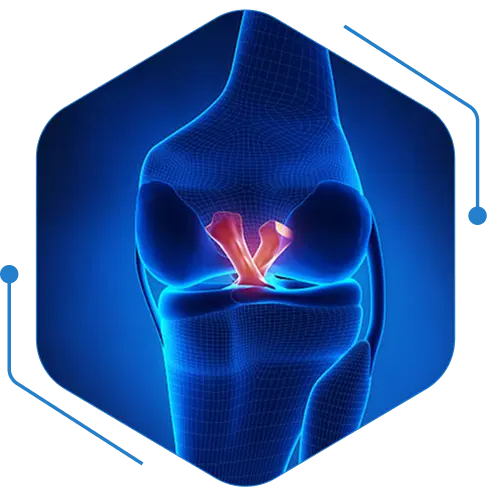
The anterior cruciate ligament (ACL) is one of the four main ligaments of the knee. It joins the thigh bone (femur) to the shin bone (tibia), stops the shin bone from sliding forward and controls twisting. When it tears, the knee feels loose and unreliable, especially while turning or on stairs.
A completely torn ACL does not heal back on its own because of its poor blood supply. For active people in Jaipur and across Rajasthan – cricketers, footballers, kabaddi players, gym-goers, police and army aspirants – arthroscopic ACL reconstruction is the most reliable way to get a strong knee back. It helps you:
- Walk, run and climb stairs without the knee buckling
- Reduce pain and recurring swelling
- Prevent meniscus tears and early knee arthritis
- Return safely to sports, fitness tests and physical work
ACL Surgery at a Glance
| Procedure | Arthroscopic (keyhole) ACL reconstruction |
|---|---|
| Surgery time | 60–90 minutes |
| Anaesthesia | Spinal or general, with a nerve block for pain control |
| Hospital stay | 1–2 days |
| Walking | With support from day 1; independently in 2–3 weeks |
| Back to desk work | 2–3 weeks |
| Return to sport | 6–9 months, after strength & balance tests |
ACL Injuries & Knee Conditions We Treat in Jaipur
ACL injuries rarely look the same in two people. The treatment plan depends on exactly what is torn and what else in the knee is affected:
- Partial ACL tear (Grade 1–2) – the ligament is stretched or partly torn; many recover with physiotherapy and a brace.
- Complete ACL tear (Grade 3) – the ligament is fully torn and the knee is unstable; usually needs reconstruction.
- ACL tear with meniscus tear – including bucket-handle tears; the meniscus is repaired in the same surgery whenever possible.
- ACL with MCL or collateral ligament injury – combined ligament injuries from twisting or contact.
- ACL + PCL / multi-ligament injury – often after road accidents; can be reconstructed in a single stage.
- ACL tear with cartilage damage – treated along with the ligament.
- ACL avulsion (tibial spine) fracture – the ligament pulls off a piece of bone, common in children and teens; fixed arthroscopically.
- Old (chronic) ACL tear – a knee that has been giving way for months or years.
- Failed ACL surgery or graft re-tear – treated with revision ACL reconstruction.
- ACL tear in children & teenagers – growth-plate-sparing techniques are used while bones are still growing.
Signs That You May Need ACL Tear Treatment
Most ACL tears happen during a sudden twist, awkward landing or quick change of direction – common in cricket, football, kabaddi, volleyball and badminton, and in road accidents. Watch for these ACL tear symptoms:
 A sudden "pop"A sharp snap felt or heard at the moment of injury.
 Swelling within hoursThe knee swells quickly and feels tight or heavy.
 Knee "giving way"The knee buckles while walking, turning or on stairs.
 Pain on movementStanding, squatting or changing direction hurts.
 Limited movementDifficulty fully bending or straightening the knee.
 No better with restWeakness stays despite rest, a brace or physiotherapy.
ACL Tear Treatment in Jaipur – Surgery or No Surgery?
Not every ACL injury needs an operation. The right ACL tear treatment depends on the tear grade, your age, your activity level and whether the knee is unstable.
Non-surgical treatment
Best for partial tears, a stable knee and less active lifestyles.
- Physiotherapy & muscle strengthening
- Knee brace for support
- Ice, rest and anti-inflammatory medicines
- Activity modification for 6–12 weeks
ACL surgery
Advised for complete tears, sports and an unstable knee.
- Complete (Grade 3) ACL tear
- Knee keeps giving way in daily life
- ACL tear with a repairable meniscus tear
- Plan to return to sport or physical work
Types of ACL Surgery – Which One Do You Need?
There is more than one way to treat a torn ACL. The type of ACL surgery is chosen after examining your knee and studying your MRI:
| Type of ACL surgery | What it involves | Usually suited for |
|---|---|---|
| Arthroscopic ACL reconstruction (single bundle) | Torn ACL replaced with a tendon graft through keyhole cuts | Most complete ACL tears – the standard, most common surgery |
| All-inside ACL reconstruction | Smaller bone sockets instead of full tunnels, with button fixation | Patients wanting less bone removal and pain |
| Double-bundle ACL reconstruction | Two grafts recreate both bundles of the natural ACL | Selected cases with large knees and high rotational instability |
| ACL repair (ligament preservation) | The patient's own ligament is stitched back to bone | Fresh tears pulled off the thigh bone, with good-quality tissue |
| ACL reconstruction + lateral tenodesis (LET/ALL) | An extra outer-knee procedure adds rotational control | Young pivoting athletes, very loose knees, revision cases |
| ACL + meniscus repair | ACL reconstruction and meniscus stitching in one sitting | ACL tears with a repairable meniscus tear |
| Multi-ligament (ACL + PCL) reconstruction | Two or more ligaments reconstructed, often single-stage | High-energy injuries and road accidents |
| Revision ACL surgery | Failed or re-torn graft replaced, sometimes in two stages | Previous ACL surgery that has failed |
| Paediatric (growth-plate-sparing) ACL surgery | Graft placed to avoid damaging growth plates | Children and young teenagers |
How Is an ACL Tear Diagnosed?
- Clinical examination
Lachman, anterior drawer and pivot-shift tests show how much the shin bone moves and whether the knee is unstable.
- MRI of the knee
Confirms a partial or complete ACL tear and shows any meniscus tear, cartilage damage or bone bruise.
- X-ray
Done in the hospital's digital X-ray unit to rule out fractures and check bone alignment.
Already have an MRI report?
Send it on WhatsApp and get the doctor's opinion before you visit.
How Is ACL Reconstruction Performed in Jaipur?
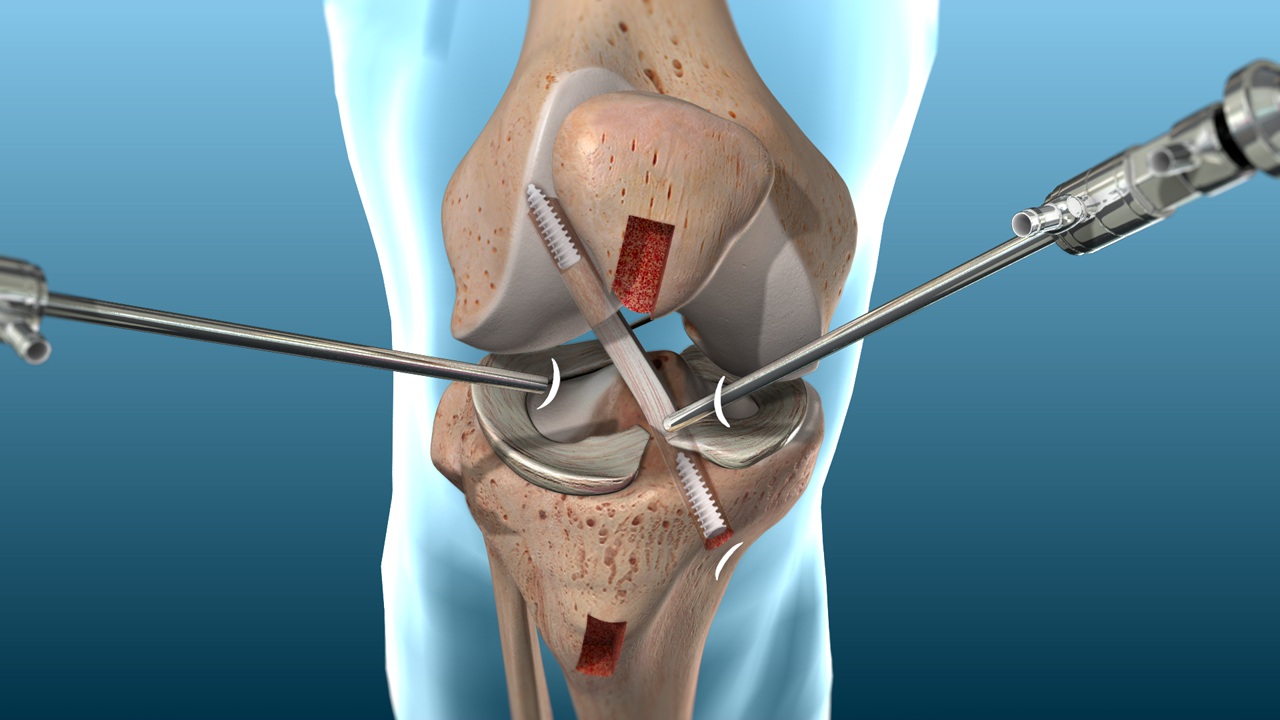
ACL reconstruction is done through 2–3 small keyhole cuts under spinal or general anaesthesia in the hospital's advanced operation theatre. The steps are:
- Arthroscopic assessment
A high-definition camera is placed inside the knee to confirm the ACL tear and check the meniscus and cartilage.
- Graft harvesting & preparation
A strong tendon – usually the hamstring or peroneus longus – is taken through a small cut and prepared to the right size.
- Tunnel drilling & graft placement
Precise tunnels are made at the ligament's natural attachment points and the new graft is passed through.
- Fixation & stability check
The graft is secured with buttons or screws and the knee is tested through its full range before closing.
Advanced Technology Used
- HD arthroscopy system for a clear view inside the knee
- Anatomic tunnel-guidance instruments for accurate graft position
- Adjustable-loop buttons & bio-screws for strong fixation
- Digital X-ray and a dedicated post-surgery recovery room
Types of ACL Grafts – Which Is Right for You?
| Graft type | Best suited for | Key advantage | Consideration |
|---|---|---|---|
| Hamstring tendon | Most adults & recreational athletes | Small cut, less front-knee pain | Hamstring strengthening needed |
| Peroneus longus | Athletes wanting to spare knee muscles | Thick graft, knee muscles stay intact | Taken from the outer ankle |
| Bone-patellar tendon-bone | High-demand pivoting sports | Bone-to-bone healing, very strong | Possible kneeling discomfort |
| Quadriceps tendon | Revision surgery, larger athletes | Large, robust graft | Longer quadriceps recovery |
| Allograft (donor) | Multi-ligament or revision cases | No harvest-site pain | Higher cost, slower healing |
ACL Surgery Recovery & Rehabilitation
Rehab is as important as the surgery itself. The hospital has an in-house physiotherapy and rehabilitation unit, and patients from outside Jaipur get a written plan and exercise videos to continue at home.
Stand and walk with a brace and walker. Start ankle pumps and quadriceps exercises. Discharge home.
Control swelling, get the knee fully straight and bend to about 90°. Stitches removed around day 12–14.
Walk without support, climb stairs and return to desk work.
Stationary cycling, swimming and gym strengthening; resume driving.
Straight-line jogging once strength targets are met.
Sport-specific drills, then return to cricket, football or kabaddi after passing return-to-sport tests. For competitive pivoting sports, waiting until at least 9 months lowers the risk of re-injury.
Real Patients. Real ACL Recoveries.
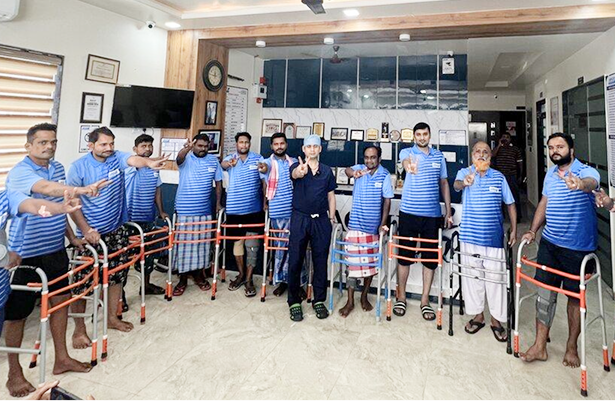
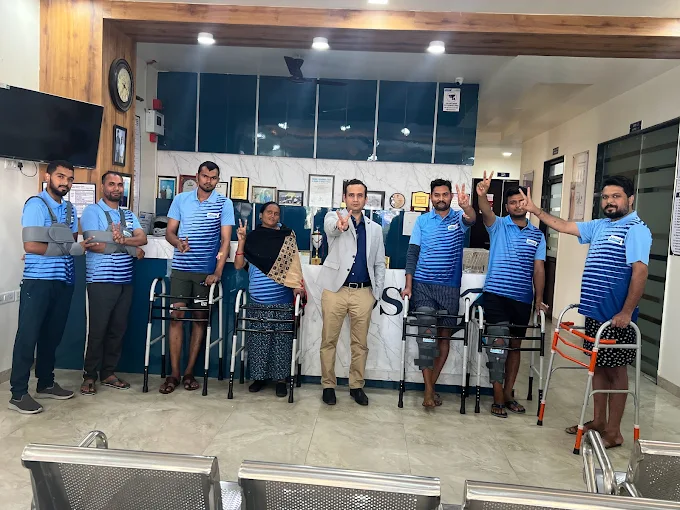
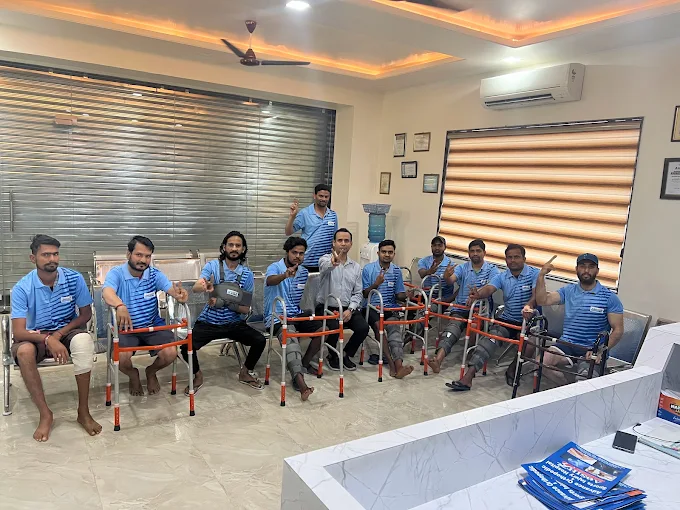
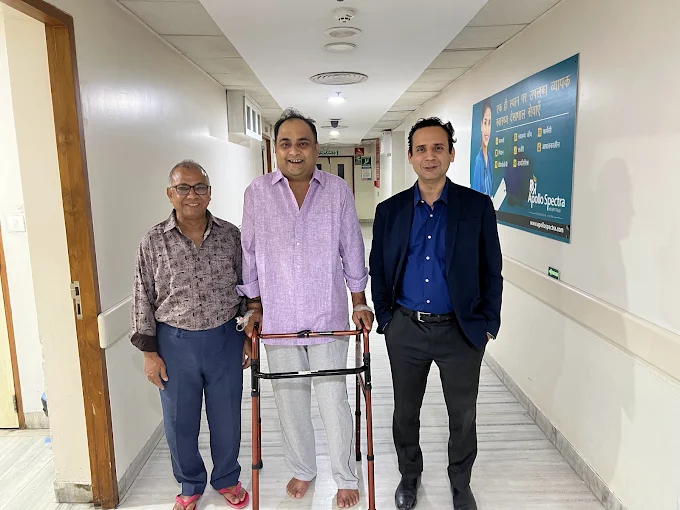
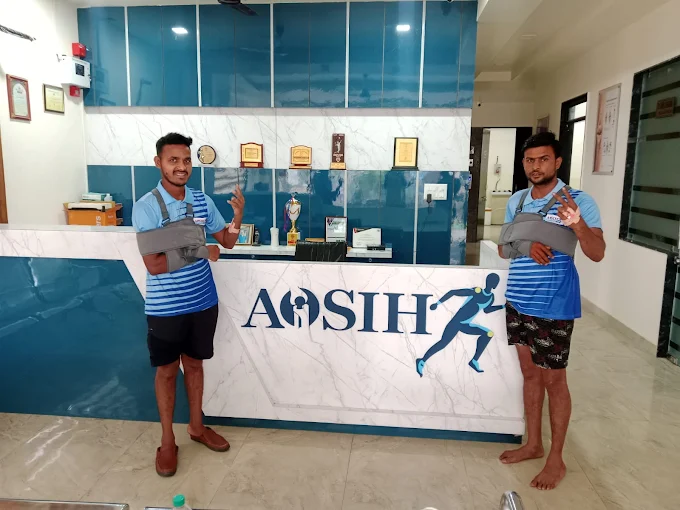
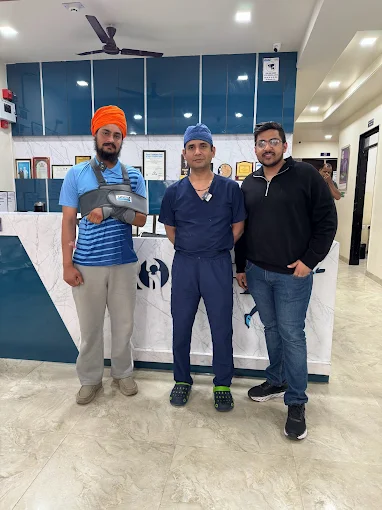
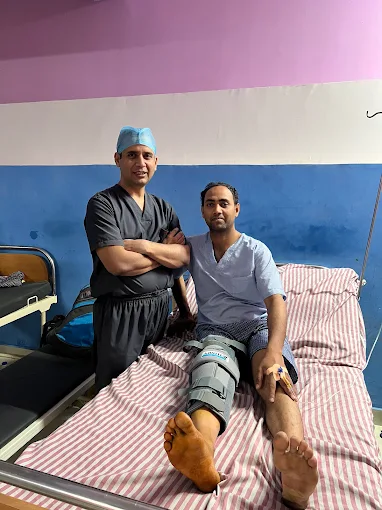
These are real patients treated by Dr. Naveen Sharma at Advance Orthopedic And Sports Injury Hospital, Jaipur – athletes, students and working people who came with torn ligaments and went back to walking, working and playing. Tap any story to watch.
Patients travel to Jaipur from across Rajasthan, Uttar Pradesh, Bihar, Assam and even Bangladesh for ACL, PCL and meniscus surgery.
Want a Recovery Like Theirs?
Share your MRI today – the doctor will review it and explain your treatment options.
Results vary from patient to patient. Videos are shared with patients' consent.
ACL Surgery Cost in Jaipur
The ACL surgery cost in Jaipur is different for every patient, because it depends on what your MRI shows and the type of surgery needed. After examining your knee you receive a clear, all-inclusive estimate before you decide – with no hidden charges. Read our detailed guide on ACL surgery cost.
What affects the cost
- Type of ACL surgery (primary, revision, multi-ligament)
- Graft type and fixation implants
- Additional meniscus or cartilage repair
- Room category and length of stay
What the estimate usually includes
- Surgeon, anaesthesia & OT charges
- Implants, knee brace and medicines
- Hospital stay & nursing care
- Post-surgery rehab guidance
Insurance: ACL surgery is a medically necessary procedure and is covered by most health insurance policies. Whether it is cashless or reimbursed depends on your policy – the hospital team helps with the paperwork.
Get Your ACL Surgery Cost Estimate
Share your MRI or call us – we'll explain the treatment and cost clearly.
Meet Your ACL Surgeon in Jaipur – Dr. Naveen Sharma
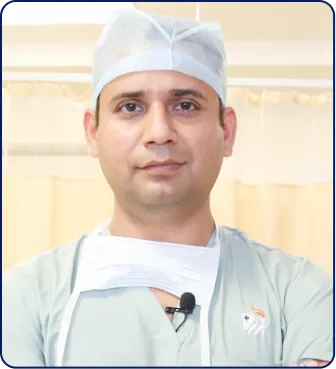
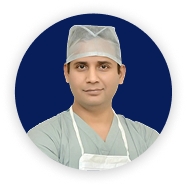
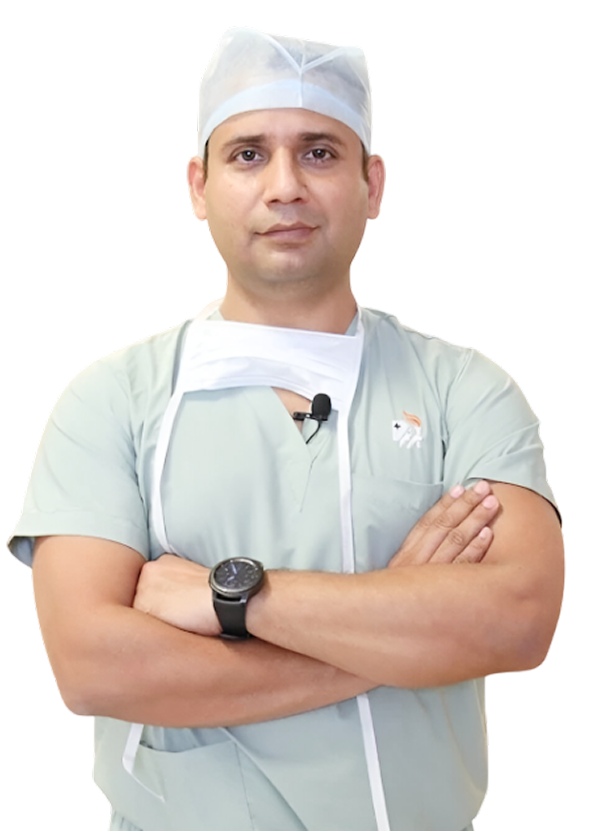
Dr. Naveen Sharma is an orthopaedic, arthroscopy and sports injury surgeon with 21+ years of experience. A Jaipur-trained doctor, he takes time to understand how your injury happened, explains your MRI in simple language and tells you honestly whether you need surgery.
Qualifications & training
- MBBS – SMS Medical College, Jaipur
- MS (Orthopaedics) – Seth GS Medical College & KEM Hospital, Mumbai
- DNB (Orthopaedics)
- Fellowship in Sports Medicine & Joint Replacement – Arcus Sportsclinic, Pforzheim, Germany
- Fellowship training in knee & shoulder surgery – South Korea
- Former Clinical Fellow – Kokilaben Dhirubhai Ambani Hospital, Mumbai
- Former Assistant Professor – NIMS Medical College, Jaipur
Why patients choose him for ACL surgery
 Experienced in complex knee surgery3,000+ arthroscopic procedures, including ACL, PCL, meniscus and revision surgery.
 Sports-focused approachRehab goals built around your sport with a safe, staged return.
 Support beyond surgeryStructured ACL rehab programme and follow-ups to prevent re-injury.
ACL Surgery Hospital in Jaipur – AOSIH, Sodala
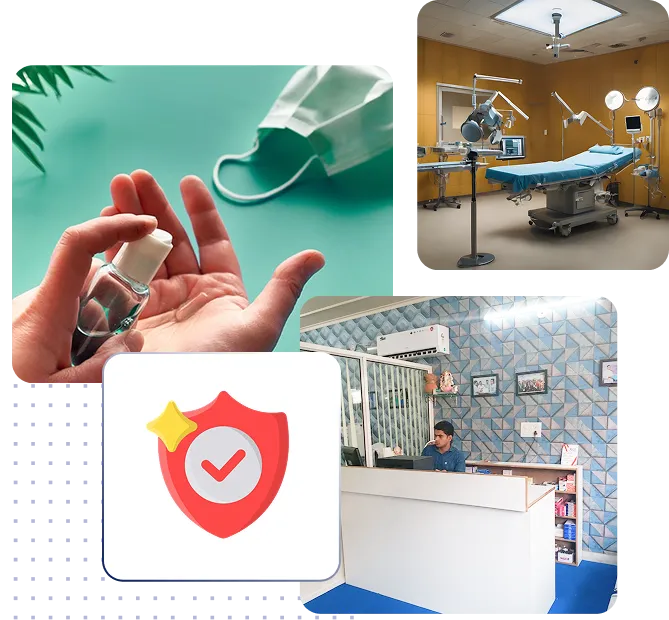
Advance Orthopedic And Sports Injury Hospital (AOSIH) is a dedicated bone, joint and sports injury hospital on New Sanganer Road, Sodala – easy to reach from anywhere in Jaipur and from the Jaipur Metro. Everything for ACL surgery and recovery is under one roof:
- Advanced operation theatre
- Arthroscopy & minimally invasive systems
- Digital X-ray imaging
- Post-surgery recovery room
- Physiotherapy & rehabilitation unit
- 24/7 helpline for patients
Visit the Hospital
- 📍
Advance Orthopedic And Sports Injury HospitalE-7, Hanuman Path, Near Metro Pillar 95, New Sanganer Road, Sodala, Jaipur 302019
- 📞
Call (24/7)+91 82098 30287
- ✉️
ACL Treatment for Patients Across Jaipur & Rajasthan
Patients come to Sodala from every part of Jaipur, from towns across Rajasthan and from other states and countries. If you live outside Jaipur, the process is simple:
- Share your MRI on WhatsApp
Get the doctor's opinion on your ACL tear before travelling.
- Consult in person or by video
Discuss the diagnosis, type of surgery, graft and cost.
- Surgery & short stay
A planned surgery date with a 1–2 day hospital stay in Jaipur.
- Rehab at home
Continue physiotherapy at home with follow-up support.
Areas in Jaipur:
Across Rajasthan:
Thousands Speak on Google. One Name Earns Their Trust
Read what patients say, and watch Dr. Naveen Sharma explain ACL injuries, bracing and recovery.
 Google Rating 4.9
"The way he operated my leg to recreate my ACL and repair my damaged meniscus was extraordinary. I watched the entire procedure and the surgery was completed in one hour without pain and discomfort."
Adarsh Kumar
"I had my ACL surgery at another place but didn't receive much help with the exercises. After joining the ACL Help program, I am gradually recovering. He listens to patients' problems attentively."
Nityananda Patra
"What a relief to find such a skilled orthopedic specialist! Dr. Sharma is knowledgeable and genuinely cares about his patients. Highly recommend for anyone dealing with sports injuries."
Shagufta Parveen
ACL Surgery in Jaipur – Frequently Asked Questions
Cost, Surgeon & Hospital
What is the cost of ACL surgery in Jaipur?
ACL surgery cost in Jaipur varies from patient to patient because no two knee injuries are the same. The main factors are:
- Type of surgery – primary ACL reconstruction, revision ACL surgery or multi-ligament reconstruction.
- Graft and implants – the graft chosen and the buttons or screws used to fix it.
- Extra procedures – meniscus repair or cartilage treatment done in the same surgery.
- Hospital stay – room category and number of days.
You receive a clear, all-inclusive estimate after your knee is examined. Call +91 82098 30287 or share your MRI on WhatsApp to get started.
Is ACL surgery covered by insurance in Jaipur? Is cashless available?
Yes, ACL reconstruction is a medically necessary surgery and is covered by most health insurance policies. Whether it is cashless or reimbursed depends on your policy and insurer. Keep these ready:
- Health insurance card and policy details
- MRI report and consultation notes
- Photo ID proof
The hospital team helps with pre-authorisation and claim paperwork.
Who is the best ACL surgeon in Jaipur?
The right ACL surgeon for you is one with specialised training, large experience and a clear rehab plan. Look for:
- Specialisation – fellowship training in arthroscopy and sports surgery.
- Experience – a large number of arthroscopic knee surgeries, including complex and revision cases.
- Rehab support – structured physiotherapy after surgery.
- Patient feedback – verified reviews and recovery stories.
Dr. Naveen Sharma has 21+ years of experience, 3,000+ arthroscopic procedures, fellowship training in Germany and South Korea, and a 4.9★ Google rating from 3,335 reviews.
Which is the best hospital for ACL surgery in Jaipur?
Choose a hospital that offers the full ACL care pathway under one roof:
- An advanced operation theatre with arthroscopy systems
- Digital X-ray for quick imaging
- A post-surgery recovery room
- An in-house physiotherapy and rehabilitation unit
Advance Orthopedic And Sports Injury Hospital (AOSIH) on New Sanganer Road, Sodala, Jaipur is a dedicated bone, joint and sports injury hospital offering all of these.
How do I book an ACL consultation in Jaipur?
- Call: +91 82098 30287 (24/7 helpline).
- WhatsApp: share your MRI and reports on the same number.
- Online form: fill in the form on this page for a call back.
- Visit: E-7, Hanuman Path, Near Metro Pillar 95, New Sanganer Road, Sodala, Jaipur 302019.
I live outside Jaipur. Can I consult before travelling?
Yes. Many patients come from Jodhpur, Udaipur, Kota, Ajmer, Bikaner and other parts of Rajasthan and India:
- Share your MRI on WhatsApp for the doctor's opinion.
- Book a video consultation to discuss the plan and cost.
- Travel to Jaipur for surgery with a 1–2 day hospital stay.
- Continue rehab at home with follow-up support.
Types of ACL Surgery & Treatment
What are the different types of ACL surgery?
- Arthroscopic ACL reconstruction (single bundle): the standard surgery for most complete tears.
- All-inside ACL reconstruction: uses smaller bone sockets and button fixation.
- Double-bundle reconstruction: recreates both bundles of the ACL in selected cases.
- ACL repair: stitches the patient's own ligament back in suitable fresh tears.
- ACL reconstruction with LET/ALL: adds rotational control for high-risk knees.
- Revision ACL surgery: for a failed or re-torn graft.
- Multi-ligament reconstruction: ACL with PCL or collateral ligaments.
- Paediatric ACL surgery: growth-plate-sparing techniques for children.
What is the difference between ACL repair and ACL reconstruction?
- ACL repair stitches your own torn ligament back to the bone. It is suitable only for some fresh tears where the ligament has pulled off the thigh bone and the tissue is healthy.
- ACL reconstruction replaces the torn ligament with a new tendon graft. It is the most common and most proven treatment for complete ACL tears.
The MRI and the findings during arthroscopy decide which option is suitable.
What is the difference between single-bundle and double-bundle ACL surgery?
- Single bundle: one graft placed in the ligament's natural position – used for most patients with excellent results.
- Double bundle: two grafts to recreate both parts of the ACL – technically more demanding and used in selected cases.
Long-term studies show similar results for most patients, so the choice is made individually.
Can an ACL tear heal without surgery?
A completely torn ACL does not heal back on its own. However, non-surgical treatment can work for:
- Partial (Grade 1–2) tears with a stable knee
- Less active people who don't play pivoting sports
- Patients willing to modify their activities
This involves physiotherapy, strengthening, balance training and a brace for 6–12 weeks.
What are the grades of an ACL tear?
- Grade 1 (sprain): the ligament is stretched but intact; the knee is stable.
- Grade 2 (partial tear): part of the ligament is torn; the knee may feel loose.
- Grade 3 (complete tear): the ligament is fully torn; the knee is unstable and usually needs reconstruction.
Can ACL and meniscus tears be treated in one surgery?
Yes. About half of ACL injuries also involve a meniscus tear, and both are treated in the same arthroscopic surgery:
- The meniscus is repaired (stitched) whenever possible to protect the knee long term.
- The ACL is reconstructed in the same sitting.
- Recovery may be slightly slower when a meniscus repair is done.
What is revision ACL surgery?
Revision ACL surgery is done when a previous ACL reconstruction has failed or the graft has torn again. It may involve:
- Removing the old graft and screws
- Bone grafting of widened tunnels, sometimes as a first stage
- A new, stronger graft, often with an extra lateral tenodesis
About the Surgery
How long does ACL surgery take and how long is the hospital stay?
- Surgery time: 60–90 minutes (longer if meniscus repair is also done).
- Anaesthesia: spinal or general, with a nerve block for pain relief.
- Hospital stay: usually 1–2 days.
Is ACL surgery painful?
- You won't feel pain during surgery.
- A nerve block numbs the knee for the first 12–24 hours.
- Pain is moderate for 3–5 days and managed with tablets and ice.
- Keyhole surgery means smaller cuts and less pain than open surgery.
Which graft is best for ACL reconstruction?
There is no single best graft – it depends on your sport, body type and knee condition:
- Hamstring: most common; small cut and less kneeling pain.
- Peroneus longus: keeps knee muscles untouched.
- Patellar tendon (BTB): very strong; preferred for high-demand sports.
- Quadriceps tendon: large graft, often used in revision surgery.
What is the success rate of ACL surgery?
Around 9 out of 10 patients get a stable knee and return to daily activities after ACL reconstruction. Return to the same level of competitive sport is lower – roughly two-thirds of athletes – and depends on:
- Accurate graft placement by an experienced surgeon
- Completing the physiotherapy programme
- Not returning to sport too early
What are the risks of ACL surgery?
ACL reconstruction is a safe, routine procedure. Possible but uncommon risks include:
- Knee stiffness (prevented with early physiotherapy)
- Infection (rare with sterile arthroscopic technique)
- Blood clots (prevented with early walking and ankle exercises)
- Graft re-tear, usually from returning to sport too early
Recovery & Return to Sport
What is the ACL surgery recovery time?
- Day 1: walk with support and a brace.
- 2–3 weeks: walk without support; desk work.
- 6–8 weeks: stairs, cycling and normal daily activities.
- 3–4 months: straight-line jogging.
- 6–9 months or more: return to sport after strength and balance tests.
When can I walk, drive and go back to work after ACL surgery?
- Walking: with support from day 1; independently in 2–3 weeks.
- Desk job: 2–3 weeks.
- Driving: about 2–4 weeks for the left knee in an automatic car; 6–8 weeks for the right knee.
- Two-wheeler: around 6–8 weeks.
- Physical / field work: 3–4 months.
When can I return to cricket, football or kabaddi after ACL surgery?
Most people return to pivoting sports between 6 and 9 months; waiting until at least 9 months lowers the risk of a re-tear. Before returning you should:
- Have no swelling and full knee movement
- Reach about 90% leg strength compared with the other side
- Pass hop, balance and agility tests
- Complete sport-specific drills without pain
Is physiotherapy available after ACL surgery in Jaipur?
- The hospital has an in-house physiotherapy and rehabilitation unit.
- Patients from outside Jaipur receive a written plan and exercise videos to continue at home.
- Follow-ups track progress through each stage of recovery.
Can the ACL tear again after surgery?
A re-tear is uncommon but possible, especially in young athletes returning to cutting sports. You can lower the risk by:
- Completing the full rehab programme
- Doing injury-prevention exercises (landing, balance and core training)
- Returning to sport only after passing return-to-sport tests
Medically reviewed by Dr. Naveen Sharma, MS (Ortho). Last updated: October 2026. This page is for information only and does not replace a medical consultation. Results vary from patient to patient.